

By the end of this guide, you will have a clear and practical understanding of product development steps, along with actionable product development tips and insights into building a successful product development strategy.
Product Development
At its core, product development refers to the complete process of creating a new product or service and bringing it to market. This includes everything from ideation and research to design, testing, manufacturing, marketing, and post-launch improvements. In simple terms, when someone asks “what is product development?”, they are looking to understand how businesses transform ideas into tangible products that meet customer needs and solve real-world problems.
The process applies to both physical goods (like electronics or clothing) and digital products (such as mobile apps or software platforms). In Canada’s growing tech ecosystem, product development plays a critical role in fostering innovation and supporting economic growth across sectors like health tech, fintech, AI, and e-commerce.
A well-structured product development strategy ensures that companies not only create useful products but also do so efficiently, cost-effectively, and in alignment with their business goals.
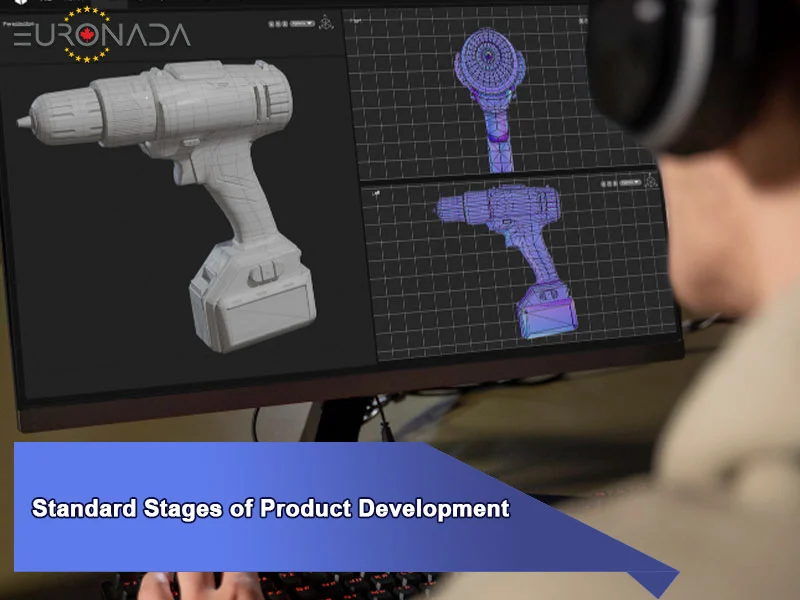
Standard Stages of Product Development
While every organization may tailor its approach slightly based on industry and product type, there are generally recognized product development steps that most follow:
- Idea Generation
This stage involves brainstorming potential product concepts based on market trends, consumer feedback, competitor analysis, and internal R&D efforts. - Concept Development and Screening
Once ideas are generated, they are evaluated for feasibility, profitability, and strategic fit. Only the most promising concepts move forward. - Design and Prototyping
During this phase, detailed designs are created, and early prototypes are built. Engineers, designers, and developers collaborate to shape the product into a usable form. - Testing and Validation
Prototypes are tested by users to identify flaws, usability issues, and areas for improvement. Feedback is used to refine the product before full-scale production. - Commercialization
After successful testing, the product is launched into the market. Marketing campaigns, sales strategies, and distribution plans are executed to ensure widespread adoption.
These product development steps provide a roadmap for any business aiming to bring a new product to life. They also serve as a foundation for building a strong product development strategy.
Difference Between Product Development and Product Management
Although often confused, product development and product management serve distinct functions within an organization. Here’s a quick breakdown:
|
Feature
|
Product Development
|
Product Management
|
|---|---|---|
|
Focus
|
Building the actual product
|
Defining the product vision and strategy
|
|
Scope
|
Technical execution (coding, design, testing)
|
Strategic oversight and market alignment
|
|
Timeline
|
Short-term (development cycle)
|
Long-term (entire product lifecycle)
|
|
Key Roles
|
Developers, engineers, QA testers
|
Product managers, marketers, analysts
|
|
Goal
|
Deliver a functional product
|
Ensure the product meets user and business needs
|
In short, while product development focuses on the “how” of making a product, product management is concerned with the “why” and “what”. Understanding this distinction helps teams align better and avoid overlap in responsibilities.
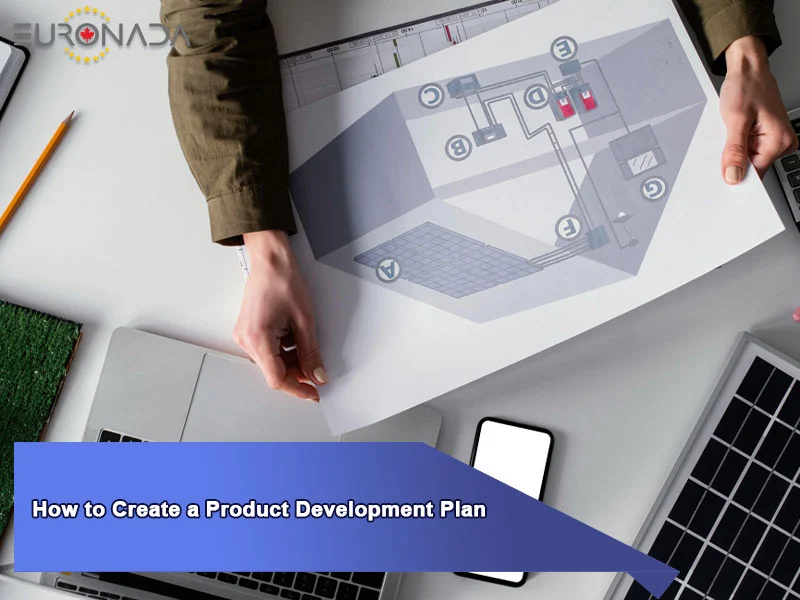
How to Create a Product Development Plan
When it comes to bringing a new product to life, one of the most critical steps in the process is creating a well-structured product development plan. A solid plan ensures that every stage of the project is clearly defined, resources are used efficiently, and goals are met on time. But before diving into the planning process, it’s important to first understand what is product development?
Product development refers to the entire lifecycle of transforming an idea into a market-ready product. This includes everything from ideation and research to design, testing, production, marketing, and post-launch improvements. The goal of product development is not just to create something new, but to solve real problems for users while delivering value to the business.
With this foundation in mind, let’s explore how to build a comprehensive product development plan that supports innovation, efficiency, and success.
1. Define Your Goals and Objectives
The first step in any effective product development plan is to define your goals and objectives clearly. Ask yourself:
– What problem does this product solve?
– Who is the target audience?
– What success looks like—increased sales, user engagement, or solving a specific customer pain point?
Setting clear objectives helps align your team, prioritize tasks, and measure progress throughout the development cycle. It also allows you to stay focused on the core question: what is product development if not a strategic effort to deliver meaningful solutions?
2. Conduct Market Research
Before investing time and money into building your product, conduct thorough market research. This involves gathering insights through surveys, interviews, focus groups, competitor analysis, and online data tools.
Market research helps you understand:
– Customer needs and preferences
– Emerging trends in your industry
– Gaps in the current market
– How competitors are positioning similar products
This step is crucial because it ensures that your product development efforts are based on real-world demand rather than assumptions. Without market research, even the best ideas can fail to resonate with users.
3. Build a Cross-Functional Team
A successful product development strategy relies on collaboration across multiple disciplines. Assemble a cross-functional team that includes:
– Product Managers: To guide the vision and roadmap
– Designers: For UX/UI and visual identity
– Developers/Engineers: To build the actual product
– Quality Assurance (QA) Specialists: To test functionality and performance
– Marketing Experts: To prepare for launch and outreach
– Business Analysts: To evaluate feasibility and ROI
By involving experts from different areas early on, you reduce silos, increase creativity, and improve decision-making throughout the product development steps.
4. Set Milestones and Timelines
Breaking down the development process into smaller milestones makes it easier to manage and track progress. Each milestone should have a clear deliverable and deadline—for example:
– Finalize concept by Week 2
– Complete prototype by Week 6
– Finish user testing by Week 8
– Launch MVP by Week 12
Timelines help maintain momentum and accountability. They also allow teams to identify potential delays early and adjust plans accordingly.
5. Allocate Budget and Resources
One of the most overlooked aspects of a product development plan is resource allocation. Determine how much budget you’ll need at each phase of development, including costs for:
– Salaries and contractors
– Tools and software licenses
– Prototyping and manufacturing
– Marketing and launch activities
Make sure to allocate both human and financial resources strategically to avoid bottlenecks later on. A well-funded and supported development process increases the chances of delivering a high-quality product.
6. Choose the Right Tools and Technologies
Today’s digital landscape offers a wide range of tools to streamline the product development process. Some popular options include:
– Project Management: Jira, Trello, Asana
– Design Collaboration: Figma, Adobe XD, Sketch
– Development Platforms: GitHub, Bitbucket, Visual Studio Code
– Communication: Slack, Microsoft Teams, Zoom
– Analytics and Feedback: Hotjar, Google Analytics, Typeform
Choosing the right set of tools ensures smooth communication, efficient workflows, and better visibility across the team. These tools support your overall product development strategy by enabling faster iteration and stronger collaboration.
Why a Strong Plan Matters
Creating a detailed product development plan isn’t just about checking off tasks—it’s about setting your product up for long-term success. Whether you’re working on a tech startup in Toronto or launching a consumer product in Calgary, following these structured product development steps will help you navigate complexity and uncertainty.
Moreover, understanding what is product development gives you clarity on the purpose behind each action. It reminds you that product development is not just about building features—it’s about delivering value, solving problems, and creating meaningful experiences for users.
By combining smart planning, cross-functional teamwork, and modern tools, you can turn your innovative idea into a real-world solution that makes an impact.
In summary, a strong product development plan acts as the backbone of your project. It guides your team through every stage, supports your overall product development strategy, and ensures that your efforts are aligned with market needs and business goals.
How Do Product Roadmaps Fit into Product Development?
A product roadmap is a visual representation of your product’s direction over time. It outlines the planned features, milestones, and timelines for development. While it doesn’t dive into day-to-day tasks, it provides a high-level view of where the product is headed and why.
In the context of product development, roadmaps act as a communication tool between stakeholders, helping everyone stay aligned on priorities and expectations. They also allow for flexibility—if new insights or challenges arise during development, the roadmap can be adjusted without derailing the entire project.
For example, if user testing reveals a major usability issue, the roadmap can be updated to reflect additional design and testing cycles. This adaptability makes roadmaps an essential component of a successful product development strategy.
What is Agile Product Development?
Agile product development is an iterative approach that emphasizes flexibility, collaboration, and continuous improvement. Unlike traditional waterfall models, which follow a linear sequence, Agile breaks down the development process into smaller cycles called sprints.
Each sprint focuses on delivering a specific feature or enhancement, followed by testing and feedback. This allows teams to quickly respond to changes in requirements, user feedback, or market conditions.
Key principles of Agile include
- Collaboration over rigid processes
- Working solutions over exhaustive documentation
- Customer feedback over contract negotiation
- Responding to change over following a fixed plan
Agile methodologies like Scrum and Kanban have gained popularity among Canadian startups and tech firms due to their ability to accelerate development while maintaining quality. Adopting Agile practices is one of the most effective forms of product development help available today.
Who Are Involved in the Product Development Process?
Product development is rarely a solo effort. It requires collaboration among various professionals with different expertise. Here are the main roles typically involved:
1. Product Manager
Responsible for defining the product vision, prioritizing features, and ensuring alignment with business goals.
2. UX/UI Designer
Focuses on designing an intuitive and visually appealing user experience and interface.
3. Software Engineer/Developer
Builds the product based on design specifications and functional requirements.
4. Quality Assurance (QA) Tester
Tests the product for bugs, usability issues, and performance problems before launch.
5. Marketing Specialist
Develops strategies to promote the product and reach the target audience effectively.
6. Business Analyst
Analyzes market trends, user behavior, and financial metrics to inform product decisions.
Having a skilled and diverse team is crucial for executing a successful product development strategy and achieving long-term success.
Add Your Heading Text Here
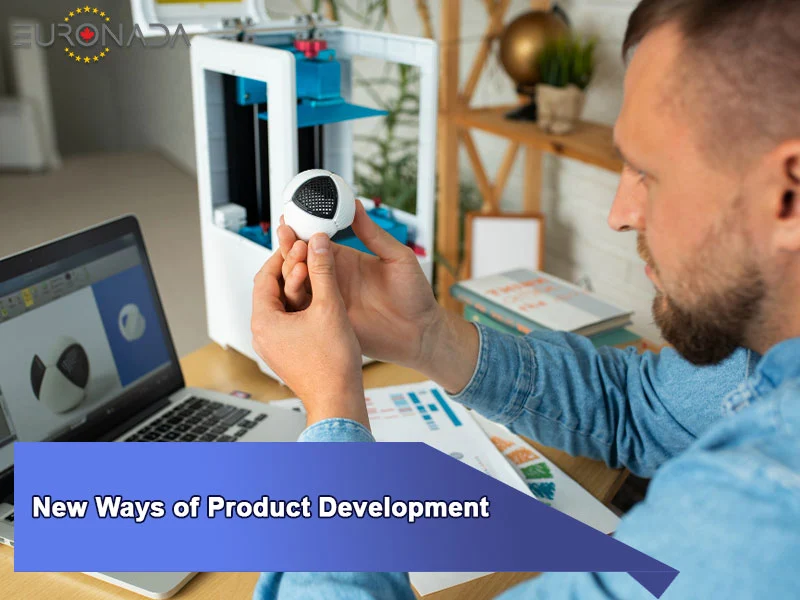
With rapid advancements in technology and changing consumer behaviors, the way we approach product development continues to evolve. Some of the most innovative methods include:
1. Lean Startup Methodology
Popularized by Eric Ries, this method encourages building a Minimum Viable Product (MVP), testing it with early adopters, and iterating based on feedback.
2. Crowdsourcing Ideas
Companies now engage customers and communities to generate product ideas, increasing engagement and ensuring better alignment with user needs.
3. AI and Machine Learning Integration
Artificial intelligence is being used to analyze user data, predict trends, and even assist in design and testing phases.
4. Remote Collaboration Tools
Post-pandemic, remote work has become the norm. Tools like Slack, Zoom, Figma, and Miro have made it easier for distributed teams to collaborate effectively.
These modern techniques offer valuable product development help by enhancing efficiency, creativity, and scalability.
Product Developer Qualifications and Expectations
A career in product development offers exciting opportunities, especially in Canada’s booming tech sector. However, breaking into this field requires a mix of technical knowledge, creativity, and business insight. Here are the typical qualifications and expectations:
Education
- Bachelor’s or Master’s degree in engineering, computer science, industrial design, or a related field.
- Certifications in Agile, Scrum, or UX design can enhance employability.
Skills
- Strong problem-solving abilities
- Proficiency in design and development tools (e.g., Sketch, Figma, CAD)
- Knowledge of programming languages (for software-based roles)
- Familiarity with user-centered design principles
Experience
- Prior experience in product development projects
- Exposure to full product lifecycle from ideation to launch
Soft Skills
- Communication
- Teamwork
- Adaptability
- Leadership
Candidates should also demonstrate curiosity, a passion for innovation, and a commitment to lifelong learning.
Conclusion
Understanding what is product development is essential for anyone looking to create impactful products in today’s competitive landscape. From identifying customer needs and crafting a development plan to embracing Agile methods and assembling the right team, product development is a multifaceted process that requires strategic thinking and execution.
By adopting proven product development strategies, leveraging modern tools, and staying informed about emerging trends, organizations can increase their chances of bringing successful products to market. Whether you’re a startup in Montreal or a multinational corporation in Ottawa, mastering the art and science of product development is key to long-term growth and innovation.
As the Canadian tech ecosystem continues to expand, investing in robust product development practices will remain a cornerstone of sustainable business success.
FAQ
What does product development mean in simple terms?
Product development refers to the entire process of creating a new product or service, from the initial idea to its final launch in the market. It includes research, design, prototyping, testing, and commercialization. Understanding what is product development helps businesses bring innovative solutions to life that meet real customer needs and generate value.
What are the key stages in the product development process?
The standard stages of product development include:
• Idea generation
• Concept screening
• Design and prototyping
• Testing and validation
• Commercialization
Each stage plays a crucial role in ensuring the product is feasible, desirable, and viable in the market. A solid product development strategy guides these steps effectively.
How is product development different from product management?
While both are essential roles, product development focuses on building the actual product—working on the technical side like design and engineering. On the other hand, product management deals with strategy, market research, and ensuring the product meets user needs throughout its lifecycle. The two functions often work closely together for successful outcomes.
What tools and methods support modern product development?
Modern product development benefits from methodologies like Agile and Lean Startup, as well as tools such as Jira, Figma, Trello, and Miro. These help teams collaborate remotely, iterate quickly, and respond to feedback efficiently. Using the right product development tips and tools can significantly improve speed and quality.
What qualifications are needed for a career in product development?
A career in product development typically requires:
• A degree in engineering, computer science, industrial design, or a related field
• Knowledge of design and development tools
• Familiarity with Agile practices
• Strong problem-solving and communication skills
Professionals may also benefit from certifications in Scrum, UX design, or project management. Gaining hands-on experience through internships or personal projects is also highly valuable.



No comment